A Story Rooted in Lysi
It all began some 52 years ago in the fertile plains of Mesaoria, in a vibrant Cypriot village called Lysi. There, amid the honest toil and sweat of the motherland, a young Costas grew up by the side of his father, Kallis Kouloumis. Amidst the blessed, simple rhythms of farming life, a magical wooden chest caught the boy's eye. It was nestled beneath a blossoming acacia tree—a tree that stood adorned in white flowers, resembling a bride waiting outside the grand doors of the Church of Panagia in Lysi.
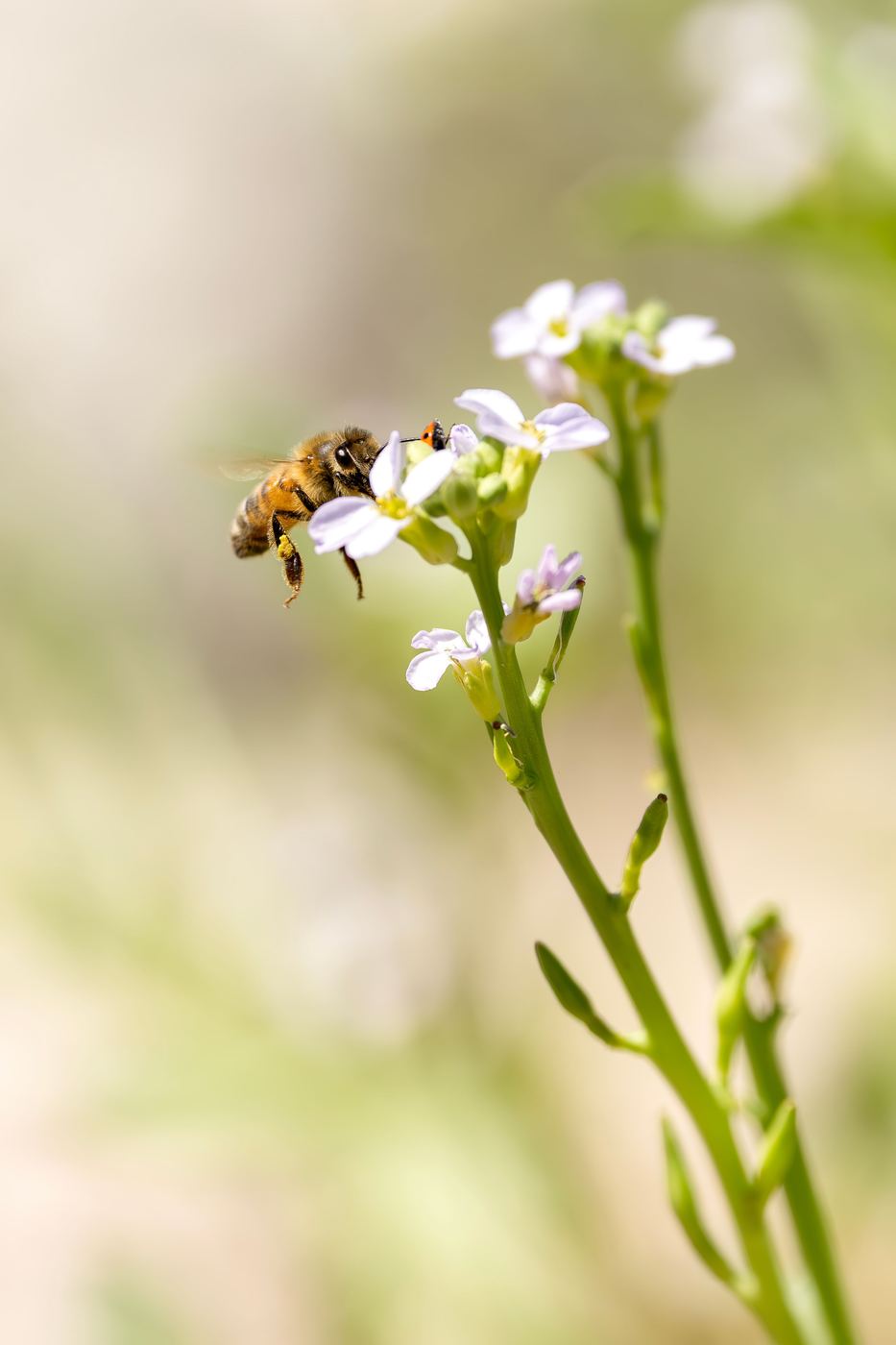
For hours on end, he would watch the bees hurry in and out, their wings dusted with what looked like colorful stardust. His childhood curiosity eventually exacted its toll with dozens of painful stings, but on that very day, a lifelong passion for beekeeping was permanently "inoculated" into his soul. It was a love destined to become his entire life.
Before he could truly spread his own wings, the dark summer of 1974 upended everything. The Turkish invasion uprooted Costas and his family. He lost the first two beehives he had meticulously built, the soil he walked upon, and the home where he was born. He took the bitter road of the refugee to protect his life and his honor. Yet, while the land was taken, no one could strip him of the deep knowledge and soul of a beekeeper. Tradition was not lost; it was carried away as a living heirloom.
Two generations later, MeLyssi74 stands as our living promise to those lost hives of Lysi. It is a duty to our history. Today, we work the same hillsides, chasing the very same wild flora, and bottling our honey exactly as it was done back then: raw, unheated, and unfiltered. Straight from the honeycomb to the jar.
Every single jar carries the distinct footprint of its season and the memories of our land. The spring brings a light, aromatic honey born from citrus blossoms, while the late summer yields a darker, robust blend rich with wild thyme. We do not blend our harvests to chase a standardized, industrial taste year after year, because nature—much like true memory—cannot be mass-produced.
To this day, Costas and his family personally check every hive, each morning before the sun even rises. It is the slowest method, harvested entirely by hand, one comb at a time. But it is the only way we know how to keep our history alive and untainted by time.